


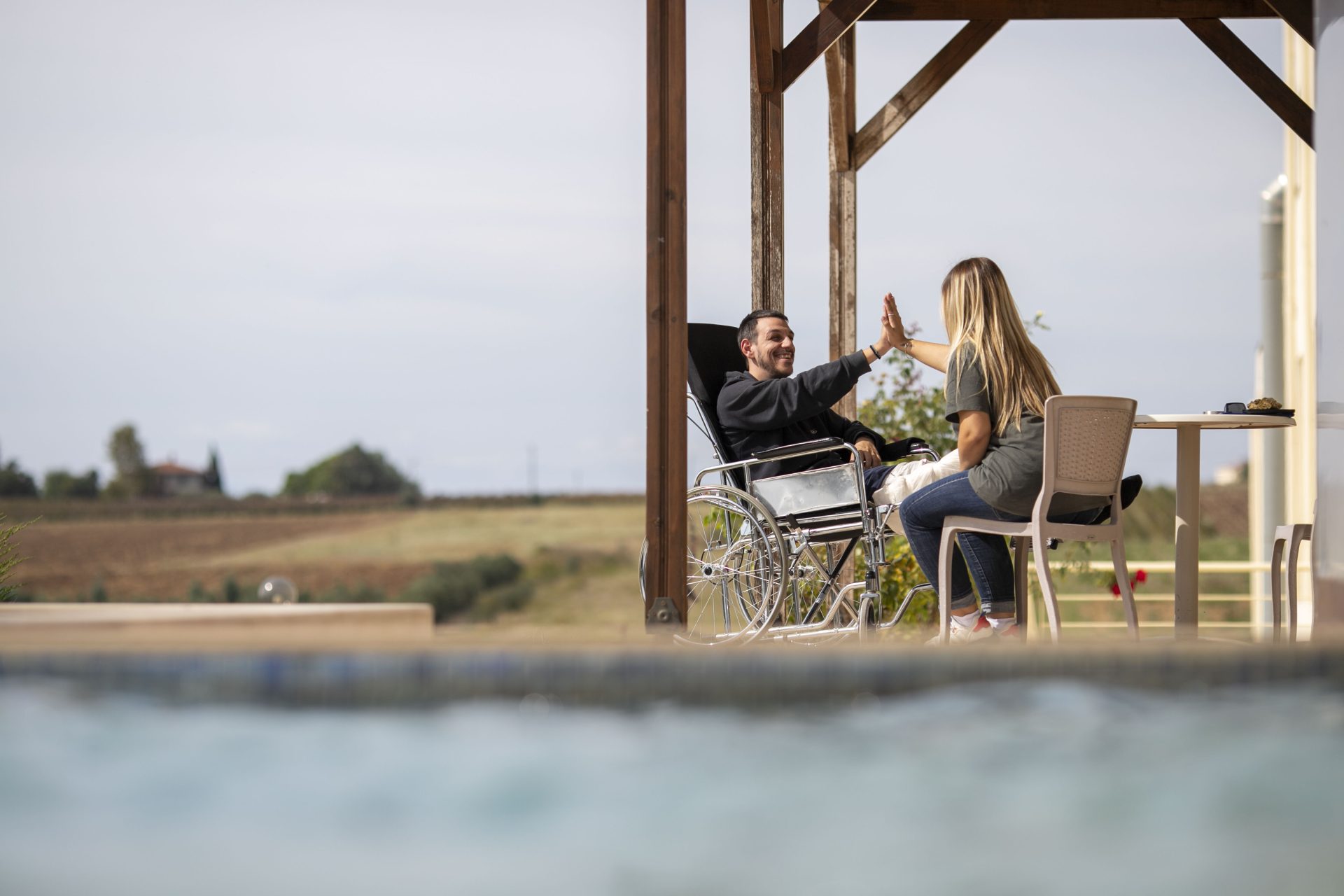


by your side
care
Psychological support is a key component of the rehabilitation process, as physical and mental health are closely interconnected. The feeling or perception of reduced control, freedom and independence marks a particularly sensitive period during which patients require comprehensive emotional support in order to participate fully and effectively in their rehabilitation program.
After an injury or a medical condition that deprives an individual of basic functions, the patient is often faced with a new and emotionally challenging reality. This situation must be addressed so that the individual can engage in rehabilitation, reduce functional deficits, regain autonomy and ultimately improve quality of life.
At Armonia Rehabilitation Center, psychological support is recognized as an essential part of rehabilitation care and is provided by specialized psychologists who work closely with the multidisciplinary rehabilitation team.
Role of Psychological Support
The primary goal of psychological support is to enhance the effectiveness of the rehabilitation program. Psychologists focus on preparing patients mentally for the new circumstances following illness or injury, helping them cope with loss of independence and limitations in daily activities. At the same time, they encourage motivation, resilience and active participation in the rehabilitation process.
Psychological support extends beyond the patient to include the family environment, which is often deeply affected by the patient’s condition. Psychologists play a vital role in supporting family members, providing psychoeducation and guidance to help them understand the condition and adapt to new challenges in a constructive way.

Psychological Support at Armonia
Initially, the psychologist evaluates the patient’s emotional state, behavior and cognitive functioning. This assessment forms the foundation for an individualized psychological support plan. Enhancing self-awareness and fostering acceptance are essential steps toward effective communication and rehabilitation success.
Psychological support is also offered to patients’ relatives, who are required to manage the emotional impact of the new situation. Continuous communication with family members is essential, as it provides emotional relief for both patients and their loved ones.
Additionally, psychological counseling may include guidance on lifestyle changes such as smoking cessation, alcohol reduction and dietary habits, supporting patients in adopting healthier behaviors.
Psychological care does not end with the completion of the rehabilitation program. It may continue after discharge, supporting the patient’s smooth reintegration into family, professional and social life.
Throughout this process, psychologists collaborate closely with the multidisciplinary team through regular meetings, ensuring coordinated planning, implementation and monitoring of the rehabilitation program.
At Armonia Rehabilitation Center, we support not only the body but also the emotional wellbeing of each patient, helping them return to a state of balance and quality of life after surgery, injury or illness.