by your side
care
Physiotherapy applies physical methods and techniques to address motor deficits resulting from a wide range of musculoskeletal, neurological, respiratory, and cardiovascular conditions. Strokes, multiple sclerosis, Parkinson’s disease, lumbago, sciatica, osteoarthritis, meniscal and cervical injuries, fractures, Chronic Obstructive Pulmonary Disease, and many other disorders may affect a patient’s mobility and significantly impact their quality of life.
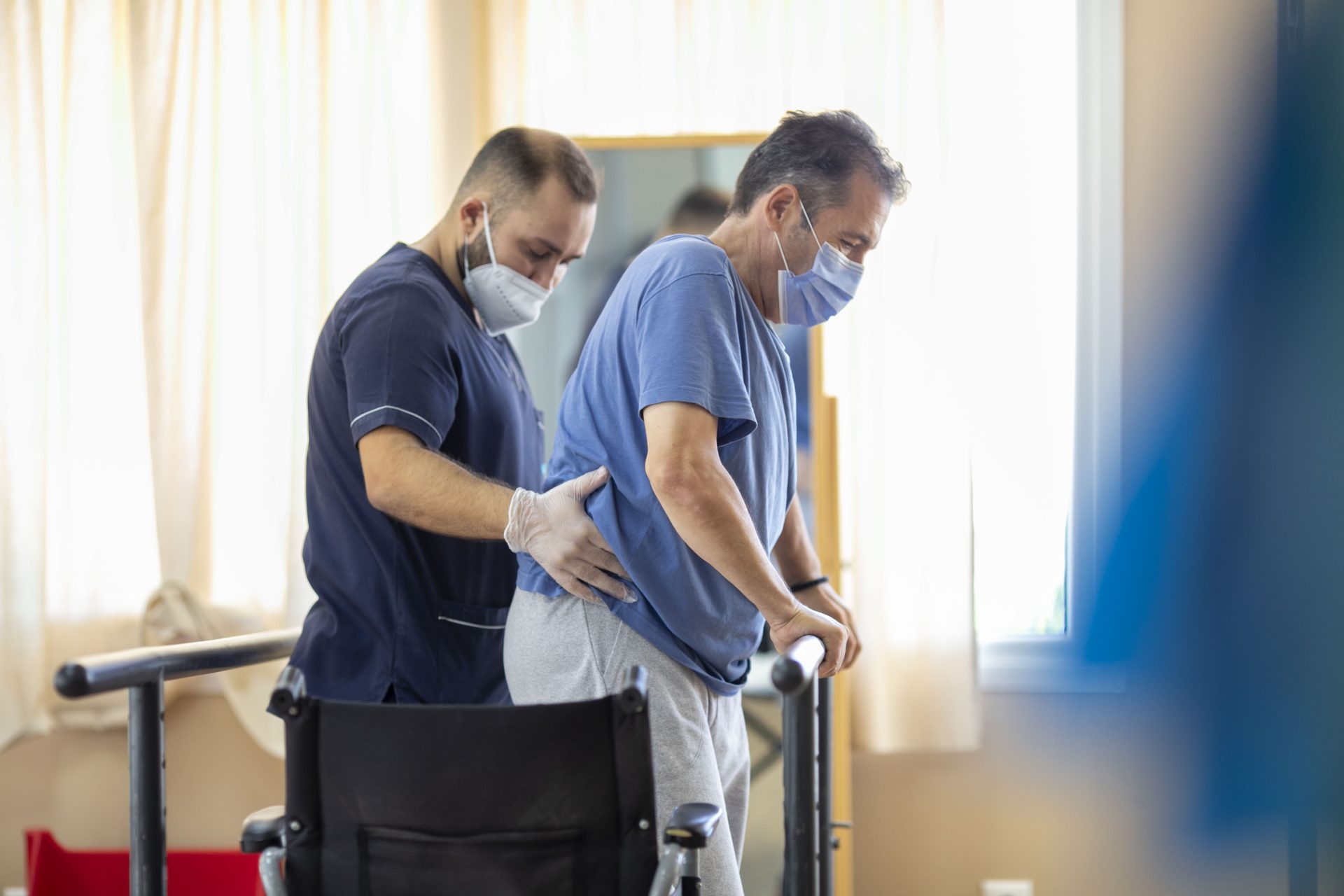
At this point, the qualified physiotherapist—using kinesiological, biomechanical, anatomical, neurophysiological and biological principles—works to relieve pain, strengthen and stretch structures, and retrain the body, always based on detailed assessment and continuous re-evaluation throughout the rehabilitation program. Beyond restoring mobility and strength, the physiotherapist aims to prevent the existing deficit from becoming permanent damage or disability.
Physiotherapy is carried out in close cooperation with the physiatrist and other members of the rehabilitation team. It thus creates the necessary conditions for improving the quality of life of both the patient and their family, who often bear the burden of mobility difficulties.
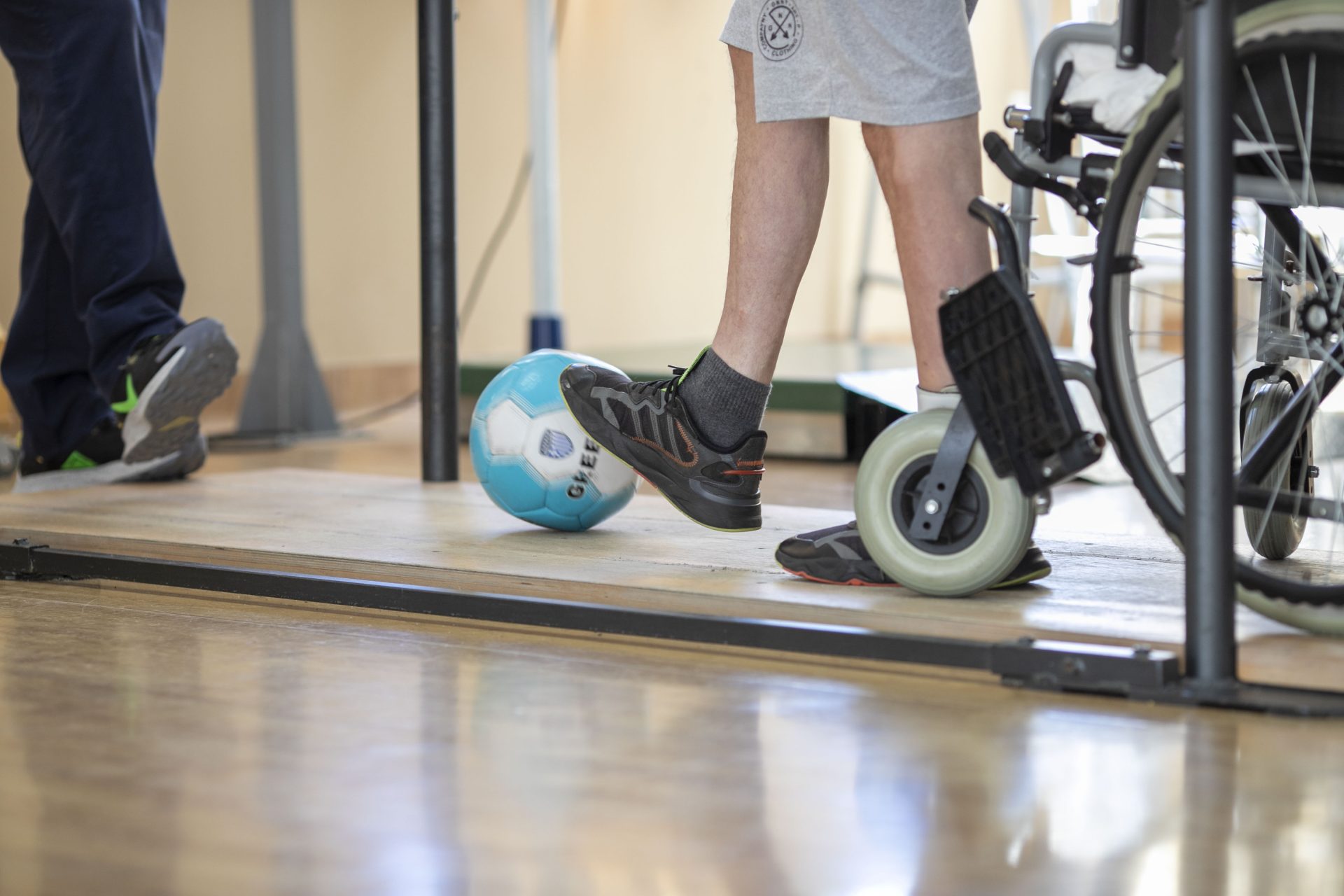
However, the physiotherapist’s role extends beyond strengthening the body and restoring function. It also includes preparing the patient for new physical challenges and teaching them how to manage them effectively. For this reason, physiotherapy contributes not only to the restoration of physical abilities but also to enhancing psychological resilience.
After all, determination, discipline, and commitment to recovery require mental strength—something significantly reinforced by the therapeutic relationship between patient and physiotherapist. This alliance is vital for achieving the main goal: restoring functional autonomy and facilitating the patient’s smooth reintegration into everyday life.
Modern Physiotherapy Techniques
Today, physiotherapy employs a wide variety of modern and advanced technological methods, including:
- Kinesitherapy
- Electrotherapy
- Ultrasound
- Magnetic fields
- Pressotherapy
- Tecar therapy (capacitive and resistive diathermy)
- Laser therapy
These techniques allow physiotherapists to effectively respond to even the most demanding cases.
Physiotherapy is a recognized health science supporting nearly all medical specialties, including general surgery, orthopedics, neurology, cardiac surgery, and pulmonology, demonstrating daily its effectiveness in improving overall patient health.
At Armonia Rehabilitation Center, patients benefit from a safe, controlled and pleasant environment where all first-stage recovery methods are available. The next step is the patient’s gradual reintegration into personal and professional routines, with increased mobility and physical demands.
Using specialized techniques such as PNF, Bobath, Manual Therapy, Mulligan, and Kinesiotaping, the ARMONIA physiotherapy team effectively treats both neurological and musculoskeletal conditions, always respecting each patient’s personal limits.
“A journey of a thousand miles begins with a single step.”
This quote captures the essence of physiotherapy and its unique contribution to recovery after injury or illness.
Physiotherapy is one of the most valuable tools at Armonia Rehabilitation Center for treating and restoring deficits caused by neurological, musculoskeletal or circulatory conditions. With customized programs, holistic care, and a client-centered approach—often involving multiple disciplines—physiotherapy maximizes rehabilitation outcomes and helps patients return to a functional and independent life.