




by your side
care
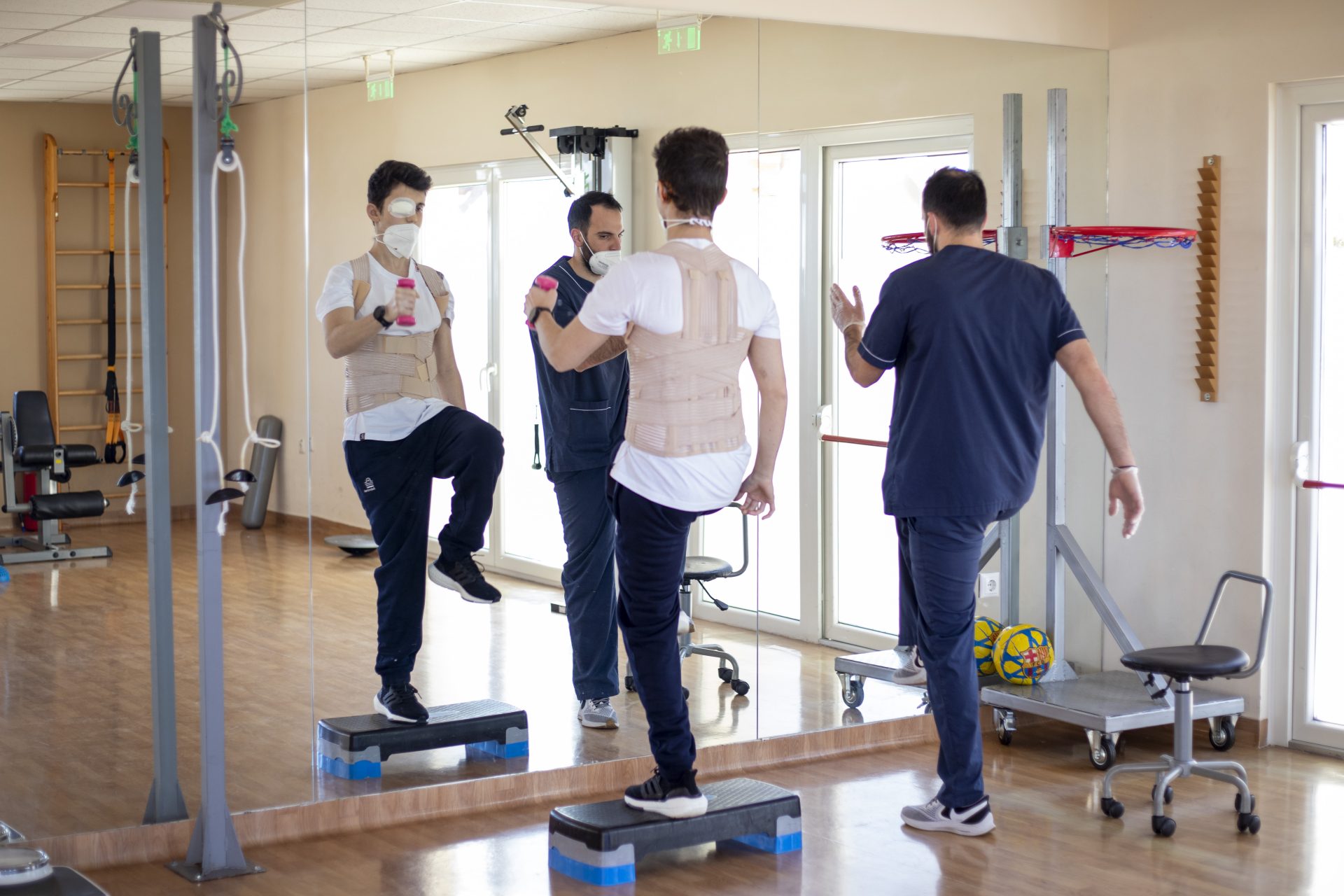
Armonia Rehabilitation Center applies one of the most structured and scientifically grounded approaches to the design and implementation of therapeutic exercise programs. The primary goals are the improvement of cardiorespiratory capacity, muscle strengthening, and body weight control. Achieving these objectives depends on the correct selection of exercise type, intensity, duration, frequency and progression for each patient.
What Is Therapeutic Exercise
Therapeutic exercise can be applied to a wide range of conditions, including musculoskeletal, cardiovascular, respiratory and neurological disorders, as well as injuries, trauma, post-surgical recovery, cancer rehabilitation and geriatric care.
It is defined as the systematic performance of targeted physical movements designed to help patients recover from functional impairments, strengthen the body, prevent health risks and improve overall physical condition. Therapeutic exercise lies at the core of any physiotherapy program, aiming to restore functionality, independence and the ability to perform everyday activities.
A patient’s gradual return to daily life requires a personalized therapeutic exercise program, planned by specialized health professionals to address muscle atrophy, reduced strength and endurance, altered movement patterns and coordination deficits.
The physiotherapist is the specialist responsible for designing and supervising the therapeutic exercise program based on the patient’s condition and rehabilitation goals. Physical activity is widely recognized as a cornerstone of health. Scientific evidence shows that increasing physical activity and cardiorespiratory endurance significantly reduces the risk of cardiovascular events, including sudden cardiac death.
Therapeutic exercise is an effective intervention for pain and physical dysfunction and is characterized by the absence of adverse side effects.
Recent evidence from organizations such as the Centers for Disease Control and Prevention (CDC) and the American College of Sports Medicine (ACSM) demonstrates that the benefits of therapeutic exercise are substantial—even when aerobic capacity does not significantly change—across populations with musculoskeletal, neurological, endocrinological and rheumatological conditions.
For example, patients with limited joint range of motion or altered muscle tone benefit significantly from therapeutic exercise, often achieving complete symptom resolution. In patients with diabetes and mild hyperglycemia (without ketosis), regular therapeutic exercise helps reduce blood glucose levels and insulin requirements.
Benefits of Therapeutic Exercise
A customized therapeutic exercise program can lead to:
- Improved cardiovascular and pulmonary function
- Increased mobility and joint range of motion
- Enhanced muscle strength and balance
- Improved gait and posture
- Correction of biomechanical deviations
- Reduction of stiffness and pain
- Improved endurance and physical capacity
- Prevention of falls
- Enhanced psychological wellbeing and self-confidence
- Increased functional independence and social participation
Therapeutic exercise may be dynamic, including aerobic training, stretching, weight-bearing exercises, resistance training, mobilization exercises (on land or in water), or static, such as isometric exercises. All exercises are adapted to the patient’s condition, abilities and limitations to ensure safety and prevent complications.
At Armonia Rehabilitation Center, we work together with each patient to restore wellbeing after surgery, injury or illness that has limited functionality. Armonia is the most reliable and specialized rehabilitation center in Thessaloniki, offering comprehensive medical and rehabilitation services—including physiotherapy, occupational therapy, hydrotherapy, speech therapy and psychological support—delivered by highly qualified professionals in modern, fully equipped facilities.


